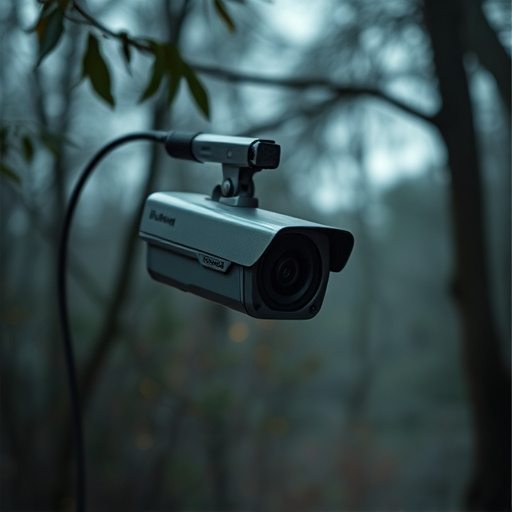
Motion Activated Indoor Spy Cameras enhance security with discreet, high-resolution surveillance. Strategically placed in hidden locations like ceilings and corners, they deter intruders and capture evidence remotely via smartphone apps. Advanced camouflage ensures blend with surroundings while adhering to legal and ethical guidelines regarding privacy.
“Uncover the art of security with our comprehensive guide on motion-activated indoor spy camera concealment. Explore advanced technology, from sophisticated motion sensors to discreet placement tactics, ensuring maximum effectiveness without compromising privacy. Learn expert camouflage techniques to stay unseen while enhancing home security.
Delve into legal and ethical considerations, as we navigate the balance between safety and personal space. Discover how to implement these strategies for a comprehensive, yet covert, home surveillance system.”
- Understanding Motion Activated Indoor Spy Camera Technology
- Choosing Discreet Placement for Maximum Effectiveness
- Advanced Camouflage Techniques to Stay Unseen
- Legal and Ethical Considerations for Home Security Cameras
Understanding Motion Activated Indoor Spy Camera Technology
Motion-activated indoor spy cameras are a sophisticated and discreet way to enhance home or business security. This technology leverages advanced motion sensors that detect any movement within a defined range, triggering the camera to capture high-resolution footage. Unlike traditional cameras that remain active all the time, these devices conserve power by remaining in standby mode until motion is sensed, making them ideal for hidden surveillance applications.
The effectiveness of indoor spy cameras lies in their ability to provide real-time alerts and remote access via smartphone apps or computer software. When motion is detected, these cameras swiftly capture clear images or videos, allowing users to monitor activities even when they’re away from the premises. This feature enhances security by deterring potential intruders while providing crucial evidence should any unauthorized entry occur.
Choosing Discreet Placement for Maximum Effectiveness
When concealing a security camera, location is key. For indoor spaces, consider areas that are naturally out of sight but still offer optimal monitoring. Ceilings, corners, and behind furniture are popular choices as they provide cover while allowing clear line-of-sight. A Motion Activated Indoor Spy Camera can be particularly effective in these spots since it remains hidden until triggered, enhancing its effectiveness in deterring potential intruders and capturing unwelcome visitors.
To maximize the camera’s impact, avoid obvious placement near windows or entrances where someone might easily spot it. Instead, look for less conspicuous yet strategic locations that maintain the camera’s ability to monitor and record activity discreetly. This approach ensures your security system remains invisible but highly functional, providing peace of mind without compromising aesthetics.
Advanced Camouflage Techniques to Stay Unseen
In the quest for unparalleled security, advanced camouflage techniques are being employed to conceal motion activated indoor spy cameras. These innovative methods ensure that surveillance equipment blends seamlessly into their surroundings, making it challenging for potential intruders to detect them. By utilizing smart design and strategic placement, these hidden cameras can monitor activities without compromising aesthetics or comfort.
One effective approach involves integrating cameras into everyday household items like fake electrical outlets, light switches, or even decorative objects. These disguise options not only make the cameras nearly invisible but also reduce the risk of attracting unwanted attention. Additionally, advanced camera technology that triggers only when motion is detected further enhances concealment, ensuring that recordings are made only when necessary, thereby protecting privacy during inactive periods.
Legal and Ethical Considerations for Home Security Cameras
When installing security cameras, especially hidden or motion-activated indoor spy cameras, it’s crucial to balance effective surveillance with legal and ethical boundaries. In many regions, there are strict laws regarding video surveillance, particularly in homes, to protect privacy rights. Homeowners must ensure they comply with these regulations, which often require explicit consent from individuals being recorded and clear notification that a camera system is in operation.
Ethically, transparency is key. While motion-activated indoor spy cameras can be powerful tools for home security, their use should be limited to legitimate safety concerns and not invade the privacy of guests or unexpected visitors. Proper placement and reasonable usage guidelines ensure that these devices serve as effective deterrents without becoming intrusive or compromising the rights of others.
In conclusion, a well-placed Motion Activated Indoor Spy Camera can significantly enhance home security while maintaining discretion. By understanding the technology, strategically selecting hiding spots, employing advanced camouflage techniques, and adhering to legal and ethical guidelines, you can ensure maximum effectiveness without compromising privacy. Stay ahead of potential threats with an informed approach to concealment.