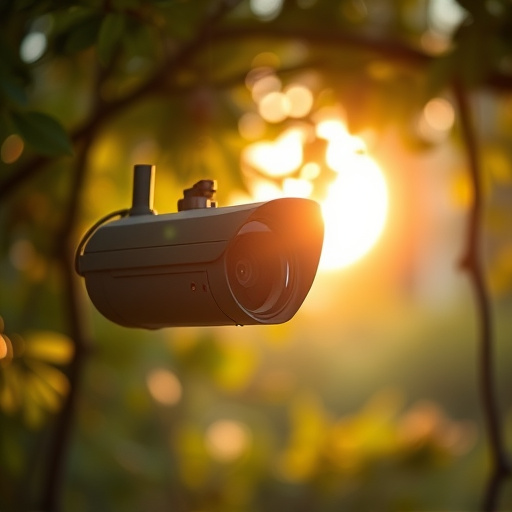
Motion Activated Indoor Spy Cameras face unique challenges from reflective surfaces and artificial lighting in indoor settings. Advanced glint detection methods using AI improve performance, ensuring clear footage while maintaining privacy. Strategic placement in corners or along walls, with sensors facing downwards, enhances detection accuracy. AI integration improves subtle lighting change detection, strengthening security for homes, offices, and other indoor locations.
In the realm of surveillance, capturing clear images in low-light conditions presents unique challenges. This article explores an innovative solution: Motion Activated Indoor Spy Camera systems that tackle glint issues head-on. We delve into the intricate details of these advanced setups, from understanding the indoor glint challenges to implementing motion activation for superior night visibility. Discover how sophisticated camera algorithms and AI integration are revolutionizing spy camera technology.
- Understanding Indoor Glint Challenges
- Motion Activation for Night Visibility
- Advanced Camera Algorithms Explained
- Spy Camera Setup and Placement Tips
- Enhancing Detection with AI Integration
Understanding Indoor Glint Challenges
In indoor settings, capturing clear images with motion-activated spy cameras presents unique challenges due to various reflective surfaces and lighting conditions. Unlike outdoor environments where natural light is abundant, interior spaces often rely on artificial lighting, which can create stark contrasts and reflections. These glints and glares from shiny objects like glasses, metal furniture, or even window frames can obscure the camera’s view, leading to poor image quality.
The issue becomes more complex when attempting to detect movements discreetly. Motion-activated indoor spy cameras must be adept at distinguishing between genuine motion and unwanted reflections to avoid false triggers. This is particularly crucial for their intended purpose of capturing unannounced intrusions or suspicious activities without alerting potential subjects. Effective glint detection methods are essential to ensure these devices operate reliably, providing clear footage while maintaining privacy and security.
Motion Activation for Night Visibility
In low-light conditions, capturing clear and detailed images with a camera lens can be challenging. One effective method to enhance night visibility is by incorporating motion activation technology. This feature is particularly useful for indoor surveillance, where capturing sudden movements without sacrificing image quality is essential. A Motion Activated Indoor Spy Camera utilizes sensitive sensors to detect any changes in the environment, triggering the lens to capture high-resolution footage only when necessary.
This approach not only conserves battery life and storage capacity but also ensures that privacy is maintained, as the camera remains inactive until movement is detected. The technology behind motion activation has revolutionized indoor security systems, making it possible to monitor activities discreetly and efficiently.
Advanced Camera Algorithms Explained
Advanced camera algorithms play a pivotal role in enhancing night-time surveillance through motion-activated indoor spy cameras. These algorithms are designed to counteract challenges posed by low light conditions, ensuring clear and accurate detection. By leveraging machine learning techniques, the systems can identify subtle glints and reflections from objects or individuals in complete darkness. This capability is particularly valuable for indoor environments where natural light is scarce, making traditional camera setups less effective.
The algorithms employ sophisticated image processing to analyze patterns of light and motion. They detect even the faintest glint by tracking changes in illumination over time. Once a motion event is triggered, the software swiftly processes the captured images, distinguishing between genuine movement and false positives like reflections from windows or lamps. This real-time analysis enables immediate alerts, allowing users to monitor their spaces with unparalleled precision and discretion.
Spy Camera Setup and Placement Tips
To effectively detect glints from camera lenses in low-light conditions, strategic setup and placement are key. One crucial tip is to utilize motion-activated indoor spy cameras, which can be discreetly positioned to monitor areas of interest. These devices offer a range of advantages, including remote activation upon detecting movement, ensuring you capture suspicious activity without alerting potential intruders.
When setting up these cameras, consider placing them in corners or along walls where they have a clear view but remain hidden from direct line-of-sight. Positioning them close to windows or reflective surfaces can enhance the detection of lens glints, as light bounces and creates distinctive reflections. Additionally, ensure the camera’s sensor is facing downwards to capture any unusual movements or glints originating from above, such as those caused by hidden cameras.
Enhancing Detection with AI Integration
The integration of Artificial Intelligence (AI) into glint detection systems has significantly enhanced their capabilities, particularly in indoor environments. AI algorithms can analyze vast amounts of data from Motion Activated Indoor Spy Cameras, learning to distinguish between legitimate reflections and unwanted glints with remarkable accuracy. By continuously refining its models based on real-time feedback, the system becomes increasingly adept at identifying subtle variations in lighting conditions and object movements, thereby improving overall detection precision.
This technological advancement is particularly valuable for enhancing privacy and security measures. AI-driven glint detection can automatically mask or alert users about unintended reflections, ensuring that sensitive information remains protected. Moreover, its ability to operate seamlessly within confined spaces makes it an ideal solution for homes, offices, and other indoor settings where traditional camera systems might struggle to provide clear, uninterrupted surveillance.
The integration of advanced camera algorithms and motion activation technology has significantly improved night-time surveillance capabilities, addressing the unique challenges posed by indoor glint. By employing sophisticated AI, these systems can now detect and mitigate unwanted reflections, enhancing overall performance for clear and accurate visuals. When strategically setting up motion-activated indoor spy cameras, considering lens glint detection becomes a game-changer, ensuring discreet and efficient monitoring in various environments.