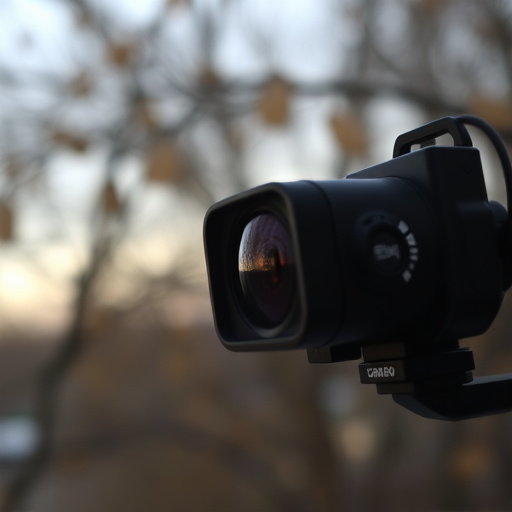
Motion Activated Indoor Spy Cameras leverage advanced glint detection algorithms to minimize false alarms in low-light conditions and busy indoor environments, enhancing security with high-resolution footage triggered by genuine motion, preserving privacy through inactive periods and targeted data recording.
In the realm of nighttime security, understanding glint in photography is paramount. This article explores an innovative method for detecting camera lens glint using advanced algorithms and smart sensor technology. We delve into the challenges of indoor spy camera placement, highlighting the significance of motion activation as a key feature. By combining cutting-edge algorithms with enhanced sensor capabilities, this approach revolutionizes security, making it an indispensable tool for navigating bustling indoor environments, such as homes and offices, equipped with motion-activated indoor spy cameras.
- Understanding Glint in Nighttime Photography
- Challenges of Indoor Spy Camera Placement
- Motion Activation: A Key Feature
- Advanced Algorithms for Glint Detection
- Enhancing Security with Smart Sensor Technology
Understanding Glint in Nighttime Photography
Glint, in the context of nighttime photography, refers to the intense reflection of light from smooth surfaces, such as glass or metal, often resulting in a bright, specular highlight within an image. This phenomenon can significantly impact the visual quality of photos taken during low-light conditions, particularly when using cameras with high sensitivity settings. In outdoor scenarios, glint is commonly associated with reflecting surfaces like wet roads or bodies of water; however, it also plays a role in indoor environments, especially when capturing scenes illuminated by artificial light sources.
For instance, motion-activated indoor spy cameras, designed to capture covert footage, often face the challenge of glint distortion. The sudden movement of objects or individuals within the camera’s field of view can create these reflections, appearing as unwanted artifacts in the final image. Understanding and managing glint is crucial for photographers aiming to produce clear, detailed night-time shots, ensuring that elements like windows, shiny furniture, or even digital display screens do not interfere with the overall aesthetic and accuracy of the photograph.
Challenges of Indoor Spy Camera Placement
The placement of spy cameras, particularly in indoor settings, presents unique challenges that require careful consideration. Unlike outdoor environments where natural light variations can be accounted for, interior spaces often involve complex lighting conditions created by artificial sources. This can make it difficult to differentiate between genuine objects and potential glints caused by hidden cameras. The presence of motion-activated features adds another layer of complexity; these sensors are designed to detect movement, but they can also be triggered inadvertently by harmless activities like walking past a lamp or opening a curtain.
One of the key challenges is the vast array of reflective surfaces that can mimic camera lenses. From shiny furniture and mirrors to glass doors and metallic hardware, these surfaces can produce glints under certain lighting conditions. This makes it crucial for detection methods to be sophisticated enough to distinguish between genuine movements and false positives generated by such reflections. Effective solutions often involve a combination of advanced algorithms, high-resolution imaging, and adaptive learning techniques to accurately identify and mitigate the presence of motion-activated indoor spy cameras.
Motion Activation: A Key Feature
Motion activation is a pivotal feature in night vision camera systems, especially for indoor surveillance. This technology enables the camera to automatically capture footage only when motion is detected, significantly enhancing privacy and energy efficiency. For instance, a Motion Activated Indoor Spy Camera can remain dormant during periods of inactivity, reducing power consumption and unnecessary data storage.
When an object or person enters the camera’s field of view, advanced sensors trigger the lens to activate, capturing high-resolution images or videos without any manual intervention. This feature is particularly beneficial in homes, businesses, or public spaces where constant monitoring is not feasible or desirable. By focusing on motion, these cameras ensure that valuable data is recorded only when it matters most, providing a more targeted and efficient surveillance solution.
Advanced Algorithms for Glint Detection
Advanced algorithms play a pivotal role in enhancing the accuracy and efficiency of glint detection, particularly for Motion Activated Indoor Spy Cameras. These sophisticated computational methods employ machine learning techniques to analyze video feeds in real-time, identifying and differentiating between genuine reflections (glints) and other potential false positives like lighting reflections or moving objects. By continuously refining their models based on vast datasets, these algorithms adapt to varying environmental conditions and object movements, ensuring more reliable glint detection even in challenging indoor settings.
The integration of advanced algorithms significantly improves the performance of spy cameras by minimizing false alarms and enhancing overall surveillance capabilities. This is especially crucial for indoor environments where lighting conditions can be dynamic, and objects are constantly in motion. By leveraging these cutting-edge technologies, Motion Activated Indoor Spy Cameras offer more precise and responsive glint detection, contributing to improved security and surveillance outcomes.
Enhancing Security with Smart Sensor Technology
In today’s digital era, enhancing security has become paramount for both personal and professional spaces. Smart sensor technology is revolutionizing this field, especially with the advent of motion-activated indoor spy cameras. These innovative devices employ advanced glint detection algorithms to capture unwanted activities silently and discreetly. By utilizing camera lens glint analysis, they can discern subtle reflections from moving objects or individuals, ensuring that no single moment goes unobserved.
This cutting-edge approach not only fortifies security measures but also promotes peace of mind. Whether in a home or an office, these smart sensors provide unparalleled surveillance capabilities. They are designed to detect even the faintest glints, making them ideal for low-light conditions and busy environments. With their motion activation feature, these indoor spy cameras only capture footage when there’s activity, preserving privacy while maximizing efficiency.
The integration of advanced algorithms and smart sensor technology has revolutionized nighttime security, particularly through motion-activated indoor spy cameras. By understanding glint in low-light conditions, these innovative devices overcome challenges associated with indoor surveillance. With their ability to detect and respond to subtle light reflections, they ensure enhanced security, providing peace of mind in various settings. Motion activation further emphasizes their efficiency, making them indispensable tools for maintaining a safe environment.