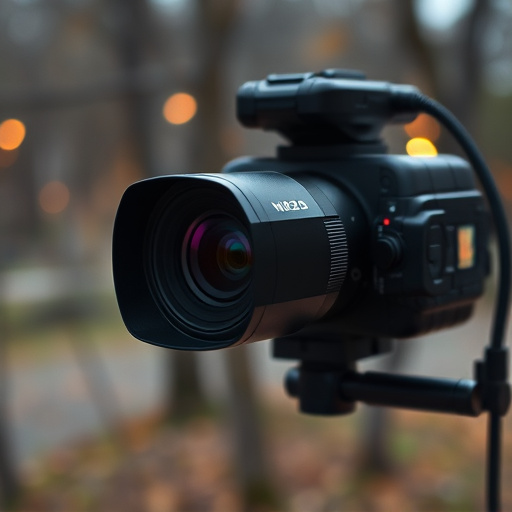
Strategically place Motion Activated Indoor Spy Cameras in corners, behind furniture or at angles for coverage and discretion. Use high-quality equipment with fast data transfer rates and encryption for reliable connectivity. Install cameras via Wi-Fi, configure motion detection settings, test reliability. Regularly fine-tune sensor settings to avoid false alerts. Enable remote access through cloud connectivity for live feeds and recordings from anywhere with internet.
Setting up a wireless hidden camera network is an effective way to ensure home or office security. This comprehensive guide will walk you through the process of creating a robust surveillance system using motion-activated indoor spy cameras. From strategically placing cameras for optimal coverage to configuring network settings and testing sensitivity, each step ensures your system delivers accurate, real-time alerts. Learn how to remotely monitor and access recordings, making it an ideal solution for peace of mind.
- Choose Location: Strategize Camera Placement for Optimal Coverage
- Select Equipment: Wireless Cameras, Sensors, and Network Hardware
- Install and Configure: Setting Up Motion Detection and Network Connectivity
- Test and Optimize: Fine-Tuning Sensor Sensitivity for Accurate Activation
- Monitor and Access: Remote Viewings and Recording Using Network Features
Choose Location: Strategize Camera Placement for Optimal Coverage
When setting up a wireless hidden camera network, strategic placement is key for maximizing coverage and capturing the desired footage. Start by identifying areas that require surveillance—whether it’s a large room, hallway, or multiple floors in your home or office. Consider the layout of the space and choose locations where motion would naturally occur, such as entryways, corridors, or areas with frequent foot traffic.
Placement is especially crucial for motion-activated indoor spy cameras like these to ensure they capture genuine activity. Positioning them in corners, behind furniture, or within plain sight but at a slight angle can provide both coverage and discretion. Keep in mind that each camera’s field of view and detection range vary, so arrange them in a way that creates an overlap in coverage for seamless monitoring without gaps or blind spots.
Select Equipment: Wireless Cameras, Sensors, and Network Hardware
When setting up a wireless hidden camera network, selecting the right equipment is paramount. Start with high-quality wireless cameras designed for your specific needs—whether it’s a Motion Activated Indoor Spy Camera for home security or a more versatile system for business surveillance. Choose models that offer clear video quality and reliable connectivity.
Complement these with suitable sensors and network hardware. Sensors, such as motion detectors or door/window contacts, trigger camera activation, enhancing the effectiveness of your setup. Network hardware, including routers and switches, ensures seamless communication between cameras and the central control system. Opt for devices that support fast data transfer rates and robust encryption to maintain the integrity and privacy of your video footage.
Install and Configure: Setting Up Motion Detection and Network Connectivity
Setting up a wireless hidden camera network involves several crucial steps, with motion detection and network connectivity as key components. Begin by installing your Motion Activated Indoor Spy Camera in the desired location, ensuring it has a clear view of the area you wish to monitor. Next, connect the camera to your home or office network using Wi-Fi. This allows for remote access and real-time monitoring via a smartphone or computer.
Once connected, configure the motion detection settings according to your preferences. Adjust sensitivity levels to prevent false alerts while ensuring it captures any movement effectively. Test the system by simulating activity in the monitored area to confirm its accuracy. With these foundational steps complete, you’re well on your way to setting up a comprehensive and efficient wireless hidden camera network.
Test and Optimize: Fine-Tuning Sensor Sensitivity for Accurate Activation
To ensure optimal performance of your motion-activated indoor spy camera network, regular testing and fine-tuning are essential. Start by simulating various scenarios to test the sensitivity of each sensor. Use objects of different sizes and weights to mimic potential movement triggers. Observe how the cameras react, ensuring they activate as intended without false positives or negatives. Adjust sensor settings accordingly for precise motion detection.
Focus on balancing sensitivity and accuracy. Higher sensitivity might capture more subtle movements but could also lead to increased false alarms. Conversely, lower sensitivity may reduce these errors but could miss crucial moments. Fine-tune each camera’s settings to strike the right balance, ensuring reliable activation without overloading your network with unnecessary data.
Monitor and Access: Remote Viewings and Recording Using Network Features
With a wireless hidden camera network setup, monitoring and accessing your surveillance system remotely has never been easier. Most modern security cameras, including motion-activated indoor spy cameras, offer cloud connectivity that allows you to stream live video feeds from anywhere with an internet connection. This feature is particularly useful for checking in on your home or business while you’re away.
Additionally, these network cameras often come with recording capabilities, enabling you to capture and review footage remotely at any time. You can set up alerts for specific activities or trigger recordings manually through a user-friendly mobile app, providing peace of mind and comprehensive security monitoring.
Setting up a wireless hidden camera network is now simpler than ever with modern technology. By strategically placing motion-activated indoor spy cameras, you can ensure comprehensive coverage while leveraging advanced sensors and network hardware for seamless connectivity. After installation, fine-tune sensitivity settings to achieve accurate activation, and enjoy remote access to recordings from anywhere. This guide has equipped you with the knowledge to create a robust security system that offers peace of mind and enhanced protection for your space.